Quick answer
For most Northern California homes, blown-in insulation is the best value for attic floors, spray foam is the top performer where air sealing matters most, and batt is the practical choice for open walls and new construction. The right pick depends on the space, your budget, and whether you need air sealing, not on which product is "best" overall.
The three types at a glance
| Spray Foam | Blown-In | Batt | |
|---|---|---|---|
| R-value per inch | R-6 to R-7 (closed-cell) | R-2.2 to R-3.8 | R-2.9 to R-3.8 |
| Air sealing | Excellent | Minimal | Minimal |
| Best for | Attics, rim joists, crawl spaces | Attic floors, retrofits | Open walls, new builds |
| Relative cost | Highest | Low to moderate | Lowest |
| Install | Sprayed, expands to fill | Blown to even depth | Cut and fit by hand |
Spray foam: the performance leader
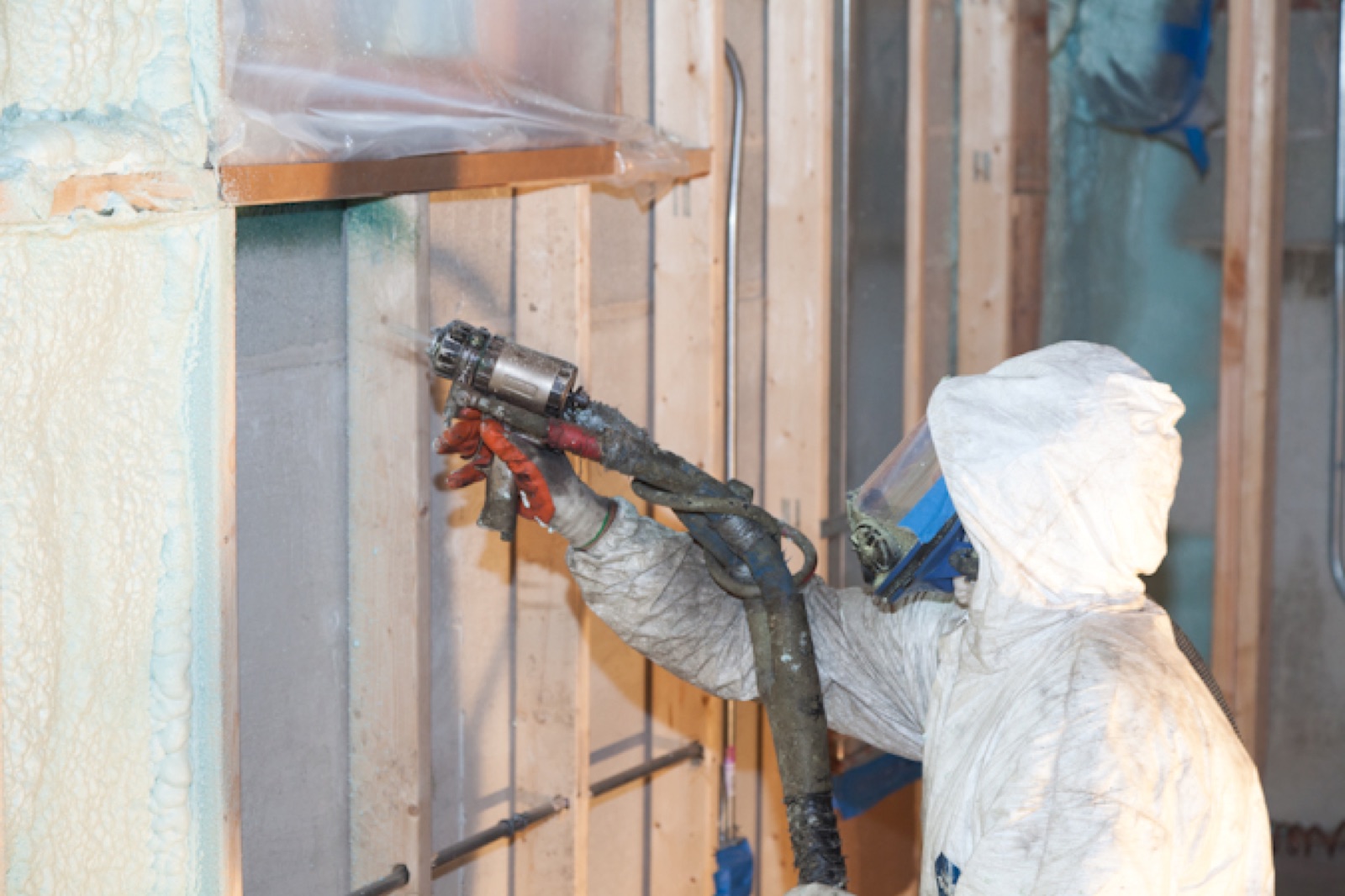
Spray foam expands on contact to fill every gap and crack, then hardens into an airtight barrier. That's its superpower, it insulates and air-seals in a single step, which no other common insulation does. For a full cost breakdown, see what spray foam costs in Yuba City.
- Closed-cell foam gives the highest R-value per inch and resists moisture, making it ideal for crawl spaces, rim joists, and cold-climate attics.
- Open-cell foam is lighter and great for sound dampening and interior walls.
The trade-off is cost, spray foam is the most expensive option upfront. But for drafty homes or extreme climates (think Truckee or Tahoe), the comfort and energy savings often justify it.
Blown-in: the attic value champion
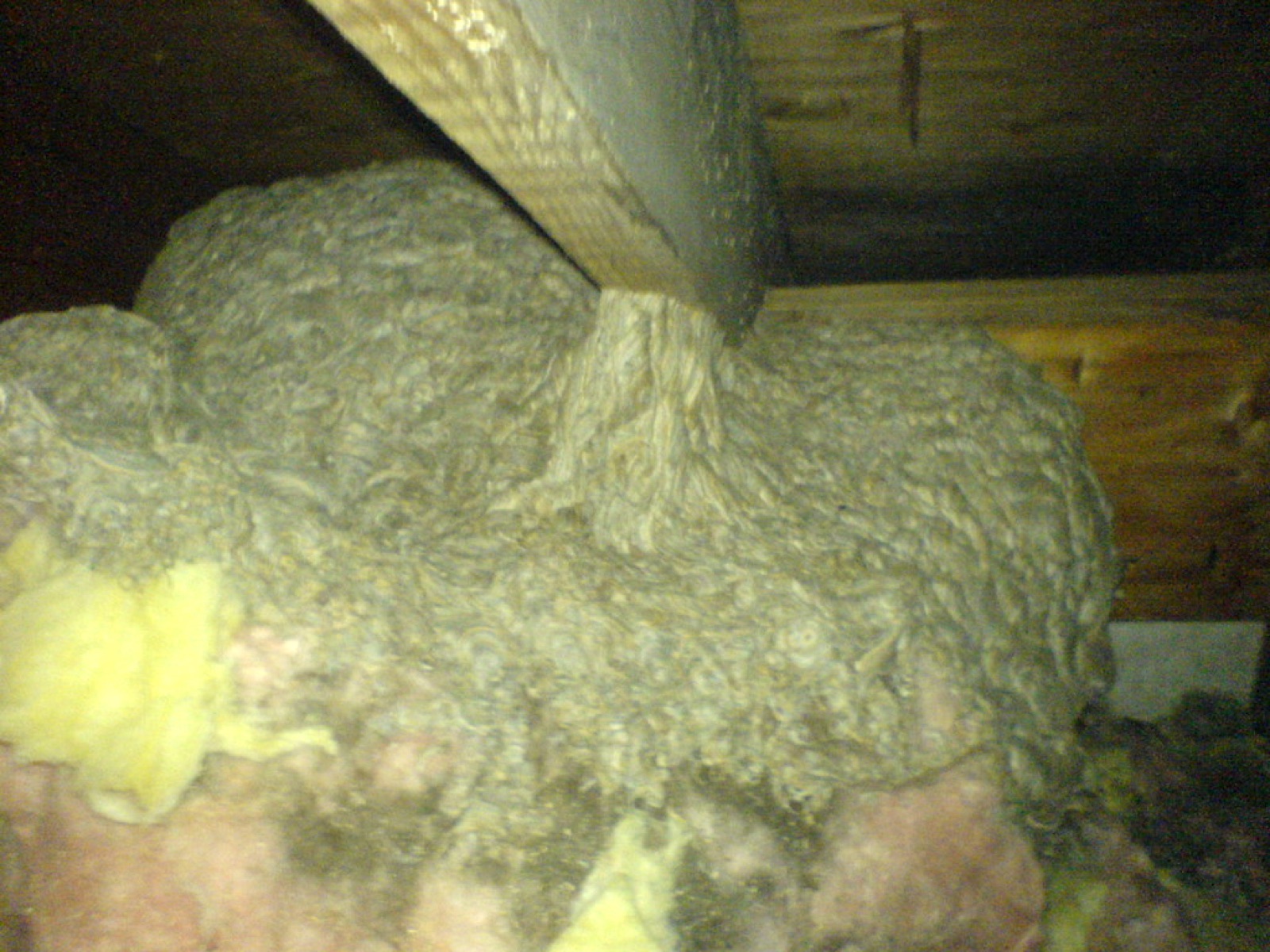
Blown-in insulation (cellulose or loose-fill fiberglass) is blown into your attic as a deep, even blanket. It settles around joists, wiring, and obstructions, leaving no gaps or seams.
It's the fastest, most cost-effective way to bring an under-insulated attic up to a modern R-value, which is why it's our most-recommended service for valley homes in Yuba City and Marysville.
Batt: the new-construction workhorse
Batt insulation, pre-cut rolls of fiberglass or mineral wool, is the go-to for open wall cavities, garages, and new construction. It's the most affordable option, but it only performs when it's cut to fit and installed without gaps or compression. A sloppy batt install is the most common cause of underperforming walls.
How we decide (our simple framework)
When we assess a home, we follow what we call the Space-Seal-Spend check:
- Space, What are we insulating? Attic floor, open wall, crawl space, rim joist?
- Seal, Does this space have air leaks that need sealing, or just a need for more R-value?
- Spend, What's the budget, and where does each dollar do the most good?
That usually points clearly to one product, or a smart combination of two.
Key takeaways
- Blown-in = best value for attic floors and retrofits.
- Spray foam = best when you need air sealing or maximum R-value per inch.
- Batt = best for open walls and new construction on a budget.
- The best results often combine types, for example, air-sealing with spray foam, then topping the attic with blown-in.
Frequently asked questions
Can I mix insulation types in one home? Yes, and you usually should. Many of our jobs use spray foam to air-seal key areas and blown-in to cover the attic floor.
Is spray foam worth the extra cost? In drafty homes and cold climates, the air sealing alone often pays back through lower bills and dramatically better comfort. We'll tell you honestly whether your home will see that return.
Not sure which is right for your home? Get a free estimate and we'll walk your attic with you, in English or Spanish.

Written by
Heradio HernandezHeradio is the owner and lead installer at H&S Insulation. He founded the company in 2016 to bring honest, professional insulation work to Northern California homeowners, the kind of straight answers and clean job sites he'd want for his own family. He works hands-on in attics and crawl spaces across the valley and foothills, and he writes here to help homeowners understand what their homes actually need. Heradio serves both English- and Spanish-speaking families.
Think your home needs an upgrade?
Get a free, no-pressure estimate from a local crew you can trust.
Call +1 (916) 912-2080